
The term brain eating amoeba sounds frightening, but understanding the facts behind this rare infection can help people recognize warning signs and take preventive steps. The brain eating amoeba, scientifically known as Naegleria fowleri, is a microscopic organism found mainly in warm freshwater environments such as lakes, rivers, hot springs, and poorly maintained swimming pools.
Although infections caused by Naegleria fowleri are extremely rare, they can become life-threatening because the amoeba attacks the brain and causes a severe disease called Primary Amebic Meningoencephalitis (PAM). This infection progresses quickly and requires immediate medical attention.
In this article, we will explain what a brain eating amoeba is, how people become infected, symptoms, diagnosis, treatment options, prevention methods, and important facts everyone should know.
What Is a Brain Eating Amoeba?
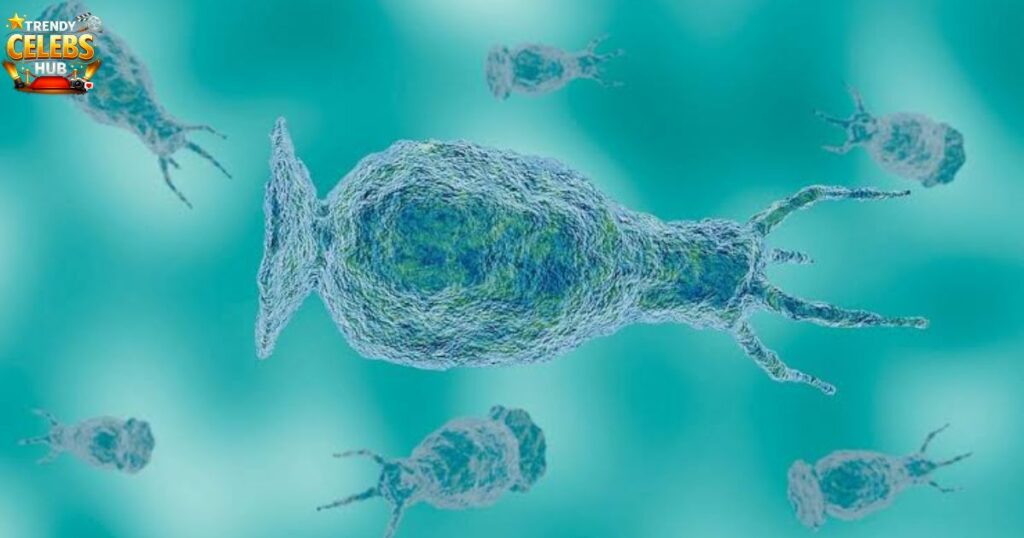
A brain eating amoeba refers to Naegleria fowleri, a single-celled organism that naturally lives in warm freshwater. Despite its nickname, the amoeba does not actually “eat” the brain like a predator. Instead, it enters the body through the nose and travels along the olfactory nerve pathways to the brain.
Once it reaches the brain tissue, it causes inflammation and destruction of brain cells, leading to a dangerous infection called Primary Amebic Meningoencephalitis (PAM).
1. Cyst Stage
The cyst is the survival form of the amoeba. It allows the organism to survive in harsh environmental conditions.
2. Trophozoite Stage
This is the active stage where the amoeba feeds, grows, and reproduces. This stage causes infection in humans.
3. Flagellate Stage
The amoeba temporarily changes into a flagellated form when exposed to certain environmental conditions.
Only the trophozoite stage can cause infection in humans.
Where Does Brain Eating Amoeba Live?
A brain eating amoeba, scientifically known as Naegleria fowleri, is a rare microscopic organism found in warm freshwater environments such as lakes, rivers, and hot springs. It can cause a serious brain infection called Primary Amebic Meningoencephalitis (PAM
Common locations include:
- Warm freshwater lakes
- Rivers
- Ponds
- Hot springs
- Warm untreated swimming pools
- Splash pads with poor maintenance
- Soil contaminated with warm water
The amoeba prefers temperatures between 80°F and 115°F (27°C to 46°C). As water temperatures increase, especially during summer months, conditions become more favorable for its growth.
It is important to understand that the amoeba is not usually found in properly treated swimming pools, because chlorine and proper water maintenance help control its growth.
How Does Brain Eating Amoeba Infection Happen?
A person becomes infected when contaminated water enters the nose.when contaminated water enters the nose and travels to the brain. Although the infection is extremely rare, it can progress quickly and requires immediate medical attention.
- Swimming
- Diving
- Jumping into freshwater
- Water sports
- Using untreated water for nasal rinsing
The amoeba does not infect people by drinking contaminated water. If swallowed, it usually passes through the digestive system without causing illness.
The infection pathway is:
- Contaminated water enters the nose.
- Naegleria fowleri attaches to nasal tissues.
- It travels through the nerves responsible for smell.
- It reaches the brain.
- It causes severe inflammation and tissue damage.
Can You Get Brain Eating Amoeba From Swimming Pools?
Yes, but it is extremely uncommon.Properly maintained swimming pools are unlikely to contain dangerous levels of Naegleria fowleri because chlorine and filtration systems help eliminate harmful organisms.
Risk increases when:
- Chlorine levels are too low
- Water is warm
- Pools are poorly maintained
- Water circulation is inadequate
Natural freshwater sources generally carry a higher risk than properly treated pools.
Brain Eating Amoeba Symptoms
Symptoms of Naegleria fowleri infection usually appear within 1 to 12 days after exposure, although the average period is around five days.
Early symptoms may look similar to meningitis or flu.
Early Symptoms
Common early signs include:
- Severe headache
- Fever
- Nausea
- Vomiting
- Loss of smell or taste
- Stiff neck
- Sensitivity to light
As the infection progresses, symptoms become more severe.
Advanced Symptoms
Later symptoms may include:
- Confusion
- Hallucinations
- Seizures
- Loss of balance
- Difficulty speaking
- Extreme sleepiness
- Coma
Because the disease progresses rapidly, medical treatment should begin immediately if symptoms appear after freshwater exposure.
How Fast Does Brain Eating Amoeba Progress?
Primary Amebic Meningoencephalitis is a rapidly progressing infection.The disease can become severe within days after symptoms begin. In many cases, the condition worsens quickly because the brain experiences intense inflammation and swelling.
Early recognition is important because treatment success depends heavily on how quickly medical care begins.
Who Is Most at Risk?
Anyone exposed to contaminated warm freshwater can potentially become infected, but certain situations increase risk.
Higher-risk activities include:
- Swimming in warm freshwater during summer
- Diving or jumping into lakes
- Using untreated water for nasal cleaning
- Spending time in warm freshwater areas
Children and young adults are often reported among cases because they are more likely to participate in recreational water activities.
However, infection remains extremely rare compared with the millions of people who swim every year.
Diagnosis of Brain Eating Amoeba Infection

Diagnosing Naegleria fowleri infection can be challenging because early symptoms resemble other forms of meningitis.
Doctors may use several tests, including:
Spinal Fluid Testing
A lumbar puncture may be performed to analyze cerebrospinal fluid.
Laboratory Examination
Special laboratory techniques can identify the amoeba in samples.
Brain Imaging
CT scans or MRI scans may help evaluate brain swelling and other changes.
Because the infection progresses quickly, doctors often begin treatment while testing is still underway if suspicion is high.
Relevant Post………..Oprah Net Worth 2026: Age, Career, Siblings, Family & Biography
Treatment for Brain Eating Amoeba
Treatment for Naegleria fowleri infection is difficult because the disease is rare and progresses quickly.
Doctors may use a combination of medications, including:
- Amphotericin B
- Miltefosine
- Azithromycin
- Fluconazole
- Other supportive treatments
Treatment may also include:
- Managing brain swelling
- Controlling seizures
- Supporting breathing and circulation
Some patients have survived after receiving rapid treatment, but the infection still has a very high fatality rate.
Brain Eating Amoeba Survival Rate
Naegleria fowleri infections are extremely rare, but historically most diagnosed cases have been fatal.
The high mortality rate is linked to:
- Rapid disease progression
- Difficulty diagnosing early
- Severe brain inflammation
However, survival cases demonstrate that early diagnosis and aggressive treatment can improve outcomes.
How to Prevent Brain Eating Amoeba Infection
Although you cannot completely eliminate exposure risk, several precautions can greatly reduce the chances of infection.
Avoid Warm Untreated Freshwater
Be cautious when swimming in:
- Warm lakes
- Rivers
- Hot springs
- Untreated ponds
Especially during hot weather.
Use Nose Protection
Because the amoeba enters through the nose:
- Avoid forcing water into your nose
- Use nose clips while swimming if needed
- Avoid jumping into water forcefully
Use Safe Water for Nasal Rinsing
Never use untreated tap water directly for nasal irrigation.
Use:
- Distilled water
- Sterile water
- Boiled and cooled water
Maintain Swimming Pools Properly
Pool owners should regularly check:
- Chlorine levels
- pH balance
- Filtration systems
Proper maintenance reduces many water-related health risks.
Difference Between Brain Eating Amoeba and Other Water Infections
Many people confuse Naegleria fowleri with other organisms found in water.
| Infection | Cause | Main Effect |
| Primary Amebic Meningoencephalitis | Naegleria fowleri | Brain infection |
| Cryptosporidiosis | Cryptosporidium parasite | Digestive illness |
| Legionnaires’ disease | Legionella bacteria | Lung infection |
| Swimmer’s ear | Bacteria/fungi | Ear infection |
Common Myths About Brain Eating Amoeba
There are many misconceptions about brain eating amoeba that can create unnecessary fear. One common myth is that drinking contaminated water causes infection, but Naegleria fowleri usually enters the body through the nose, not by swallowing water
Myth 1: Drinking contaminated water causes infection
Fact: The amoeba usually infects people when contaminated water enters the nose.
Myth 2: Every lake contains dangerous levels of amoeba
Fact: Naegleria fowleri exists in some warm freshwater environments, but infections are extremely uncommon.
Myth 3: You can catch it from another person
Fact: Brain eating amoeba infections are not contagious and do not spread between people.
Myth 4: All swimming pools are dangerous
Fact: Properly maintained pools are generally much safer because chlorine helps control harmful organisms.
Interesting Facts About Brain Eating Amoeba
- Naegleria fowleri is a microscopic organism.
- It was first identified as a cause of human disease in the 1960s.
- The infection is extremely rare.
- It prefers warm freshwater environments.
- It does not survive well in properly chlorinated water.
- It cannot infect people through normal drinking.
- It attacks the brain through nasal passages.
Frequently Asked Questions (FAQs)
1. What is a brain eating amoeba?
A brain eating amoeba is Naegleria fowleri, a microscopic organism that can cause a rare but serious brain infection called Primary Amebic Meningoencephalitis.
2. How does brain eating amoeba enter the body?
It usually enters through the nose when contaminated water is forced deep into nasal passages.
3. Can you get brain eating amoeba from drinking water?
No. Infection usually happens when contaminated water enters through the nose.
4. Is brain eating amoeba contagious?
No. It does not spread from person to person.
5. Can swimming pools contain brain eating amoeba?
Poorly maintained pools may pose a risk, but properly chlorinated pools are unlikely to contain harmful levels.
Final Thoughts
The brain eating amoeba (Naegleria fowleri) is a rare but serious infection that can occur after exposure to warm freshwater. While its name creates fear, the actual risk is extremely low for most people.
Understanding how the infection spreads and following simple safety measures—such as avoiding forcing water into your nose, using safe water for nasal rinsing, and maintaining swimming pools properly,can significantly reduce risk.
If someone develops severe headache, fever, nausea, confusion, or neurological symptoms after freshwater exposure, seeking immediate medical attention is essential. Awareness, prevention, and quick action remain the most important tools for protecting against this rare infection.