
Bangalore, officially known as Bengaluru, is famous for its comfortable climate, moderate temperatures, and frequent changes in weather conditions. Located on the Deccan Plateau in Karnataka, the city usually experiences milder weather compared with many other major Indian cities.
Bangalore weather is influenced by its elevation, seasonal winds, and monsoon patterns. The city does not usually experience extreme heat or severe winters, making it popular among residents, professionals, and travelers throughout the year.
Bangalore Weather Overview
Bangalore has a tropical savanna climate with distinct wet and dry periods. The city generally experiences:
- Warm summers
- Rainy monsoon months
- Cool and pleasant winters
- Moderate temperatures throughout the year
The weather can change quickly. A sunny morning may become cloudy by afternoon, followed by evening showers, especially during the monsoon period.
The average temperature generally remains comfortable compared with many Indian metropolitan areas. However, weather conditions vary depending on the month, rainfall patterns, and local surroundings.
Climate of Bengaluru Explained
Bangalore’s pleasant climate is mainly due to its location at a higher elevation above sea level. The city’s altitude helps reduce extreme temperatures.
Several factors influence Bangalore weather:
1. Geographic Location
Bengaluru is situated in southern India on the Deccan Plateau. Its inland location means it does not experience direct coastal humidity levels throughout the year.
2. Elevation
The city’s elevation contributes to cooler evenings and less intense heat compared with lower-altitude cities.
3. Seasonal Winds
Monsoon winds bring rainfall during specific months, while dry seasonal winds influence temperature changes during summer and winter.
4. Urban Development
Rapid city growth has affected local weather patterns. Increased construction, traffic, and reduced green spaces can contribute to warmer urban areas.
Bangalore Weather by Season
Understanding seasonal patterns helps residents and visitors plan activities better.
Summer Weather in Bangalore
Summer in Bangalore usually occurs from March to May. Compared with many Indian cities, summers are generally moderate, but temperatures can rise during the afternoon.
Typical summer conditions include:
- Warm afternoons
- Cooler mornings and evenings
- Occasional thunderstorms
- Increasing heat before monsoon arrival
March often brings comfortable weather, while April and May can feel warmer.
Summer Tips
During summer:
- Carry water when traveling
- Wear lightweight clothing
- Avoid prolonged afternoon exposure
- Choose outdoor activities during mornings or evenings
Monsoon Season in Bengaluru

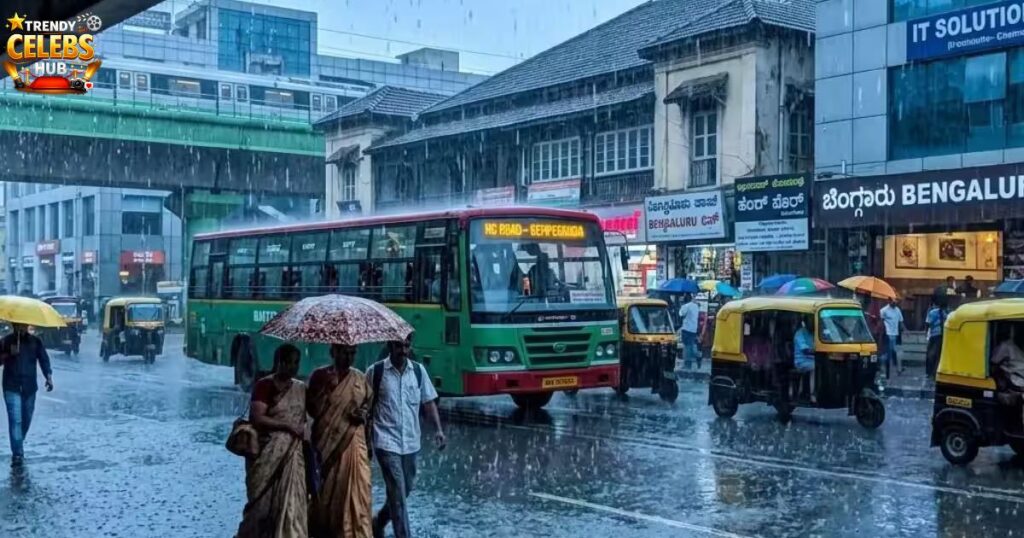
The monsoon season usually brings increased rainfall from June onward. Bangalore receives rain mainly from the southwest monsoon, with additional rainfall during later months from changing weather systems.
Monsoon weather often includes:
- Cloudy skies
- Frequent showers
- Thunderstorms
- Cooler temperatures
Rainfall can affect traffic movement because Bangalore’s roads may become congested during heavy showers.
Relevant Post……Mike Myers Net Worth: Career, Family, Siblings, Movies & More
Monsoon Travel Tips
Visitors should consider:
- Carrying an umbrella or rain jacket
- Checking weather updates before travel
- Keeping extra travel time during rainy days
- Wearing comfortable footwear
Winter Weather in Bangalore
Winter is generally considered the most pleasant season in Bangalore. It usually occurs between November and February.
Winter conditions include:
- Cool mornings
- Comfortable afternoons
- Pleasant evenings
- Lower humidity
Temperatures can feel cooler at night, especially for people who are used to warmer climates.
Winter Activities
Good winter weather is suitable for:
- City sightseeing
- Outdoor cafés
- Parks and gardens
- Walking tours
- Weekend trips around Karnataka
Frequently Asked Questions
1. What is the weather like in Bangalore throughout the year?
Bangalore weather is generally pleasant compared with many other Indian cities. The city experiences warm summers, rainy monsoons, and cool winters. Temperatures usually remain moderate because Bengaluru is located on the Deccan Plateau at a higher elevation.
2. Which is the best month to visit Bangalore?
The best time to visit Bangalore is usually during the cooler months from October to February when the weather is comfortable for sightseeing, outdoor activities, and exploring nearby attractions. However, the ideal month depends on personal preferences and planned activities.
3. Does Bangalore receive heavy rainfall?
Bangalore receives seasonal rainfall, especially during the monsoon months. Rain can occur through showers and thunderstorms, and some periods may experience heavier rainfall than others. Weather conditions can vary each year.
4. Is Bangalore cold in winter?
Bangalore winters are generally mild rather than extremely cold. Mornings and nights can feel cooler, while afternoons are usually comfortable. Light sweaters or jackets may be useful during cooler periods.
5. Does Bangalore have very hot summers?
Bangalore summers can become warm, especially during afternoons in April and May. However, the city usually experiences less extreme heat compared with several other Indian metropolitan areas.